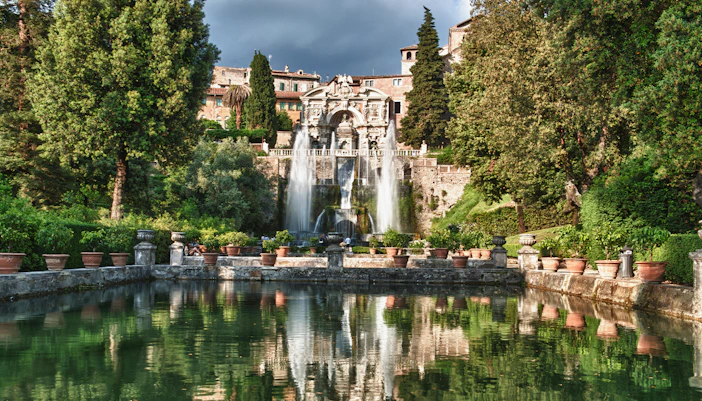
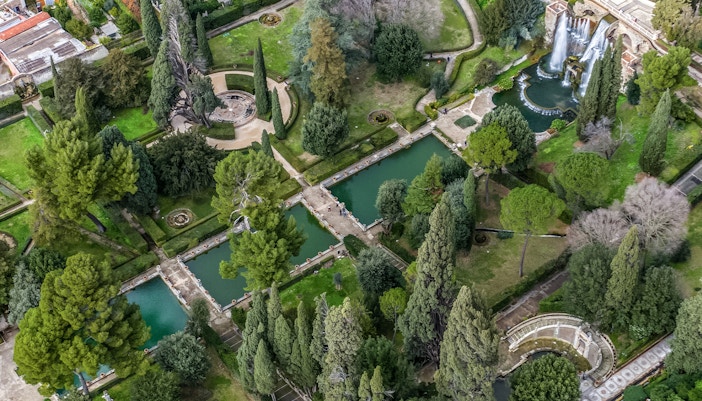
Villa d'Este is a UNESCO-listed Renaissance garden and villa in Tivoli, 30 km east of Rome. The site descends across steep terraced hillsides, with 500 fountains powered by a gravity-fed hydraulic system that still operates today. Most visits take 2.5 to 3.5 hours. The one thing that catches most visitors off guard is the Organ Fountain schedule: performances happen every two hours from 10:30am, and timing your arrival around one transforms the experience. This guide covers hours, tickets, entrances, and what not to miss.
💡 If you're visiting on a Monday, note that the villa only opens at 2pm. This can work in your favour: most day-trippers from Rome will have left by then, afternoon light is better in the gardens, and the Organ Fountain afternoon performances are still active. You will have less time before last entry, so go straight to the gardens.
| Ticket | What's included | Best for | Price |
|---|---|---|---|
Skip-the-Line + Audio Guide | Priority entry to the villa apartments and terraced gardens. Multilingual audio guide (English, Spanish, German, French, Italian). | Self-paced visits from April through October, when the walk-up queue at Piazza Trento can reach 30 to 60 minutes. | From €81 |
Guided Tour | Priority entry plus a one-hour expert-led route covering the Organ Fountain, Fountain of Rometta, and Hundred Fountains. Small groups of up to 10 people. | Visiting for the first time and wanting the hydraulic engineering and Renaissance iconography explained on a focused route, without needing to navigate the garden layout independently. | From €81 |
Day Trip from Rome (Transfers) | Round-trip AC bus transfers from Rome. Skip-the-line entry to Villa d'Este. Transport between Villa d'Este and Hadrian's Villa. Free time in Tivoli for lunch. Meals not included. | Visiting from Rome without arranging train connections, local buses, or navigation between the two Tivoli villas independently. | From €100 |
Villa d'Este's layout is vertical. You enter at the villa building at the top of the hill, move through the frescoed apartments, then descend through terraced garden levels to the lower grounds. The terrain throughout is stone and gravel, uneven in places on the smaller paths between terraces. This matters for mobility planning and for choosing appropriate footwear.
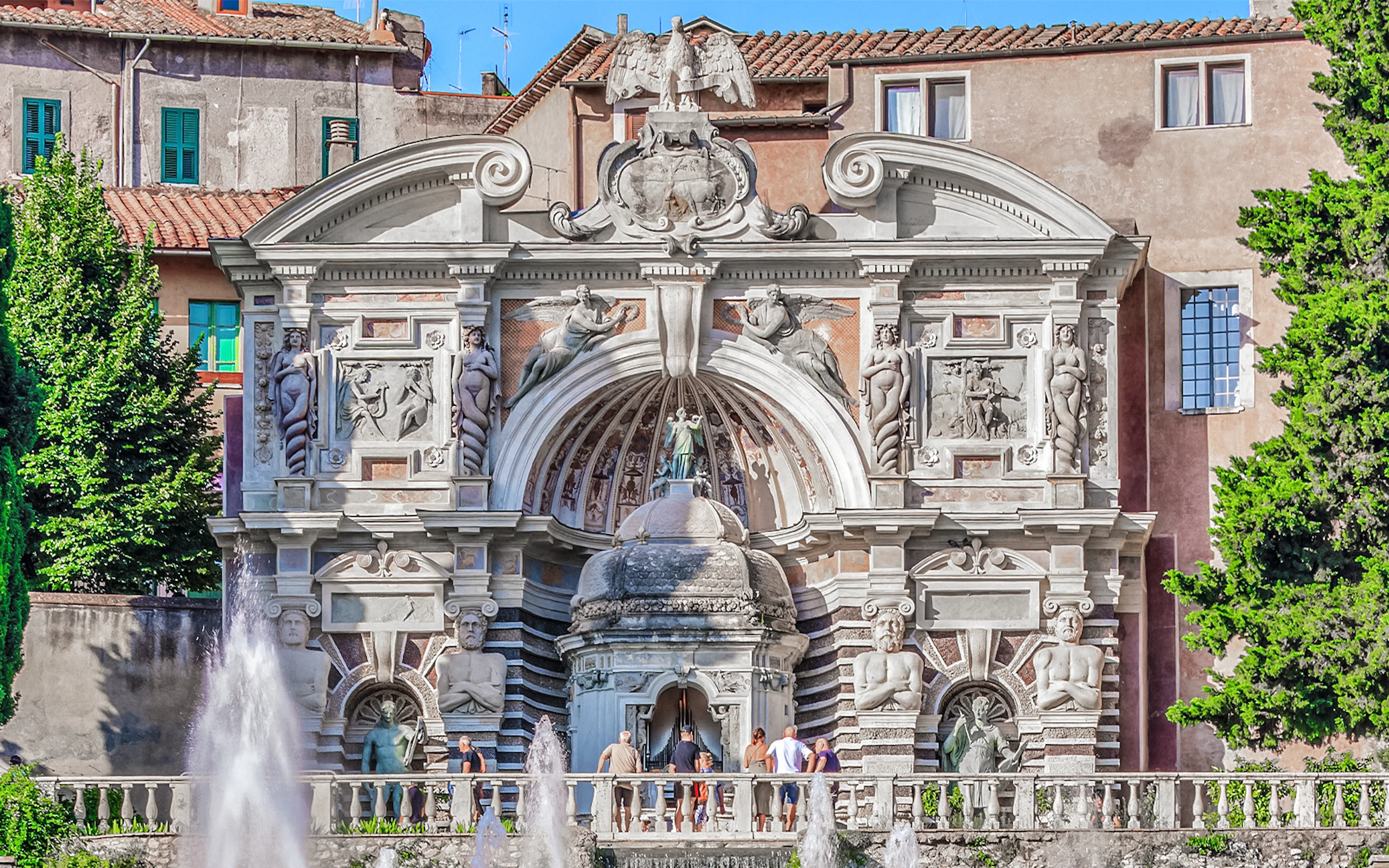
The most technically complex object in the garden. The organ produces music entirely through water pressure, with no electrical components; it has worked this way since the 16th century. Performances run every two hours from 10:30am [VERIFY current 2026 schedule]. Where to find it: south side of the middle terrace, visible from the Viale delle Cento Fontane. Arrive five minutes before a scheduled performance.
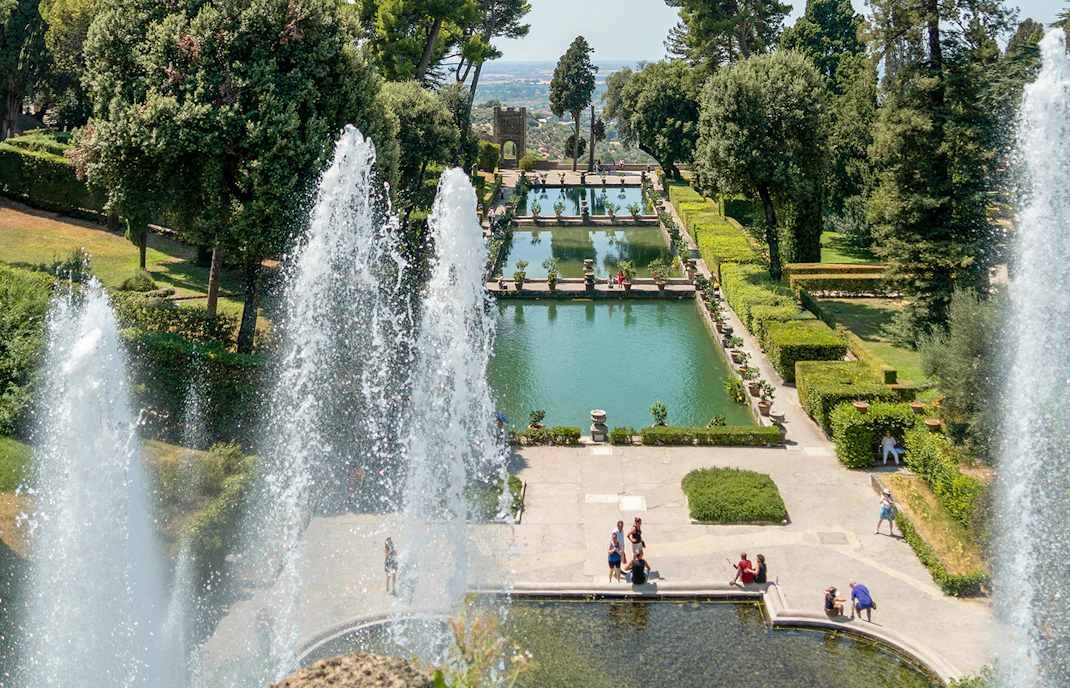
The main transverse path across the middle of the garden, lined by three continuous tiers of jets, stone eagles, and obelisks. Most visitors spend 10 to 15 minutes here. Walk the full length in both directions: the perspective and sound change significantly. The path connects the Fountain of Rometta on the east to the Oval Fountain on the west.
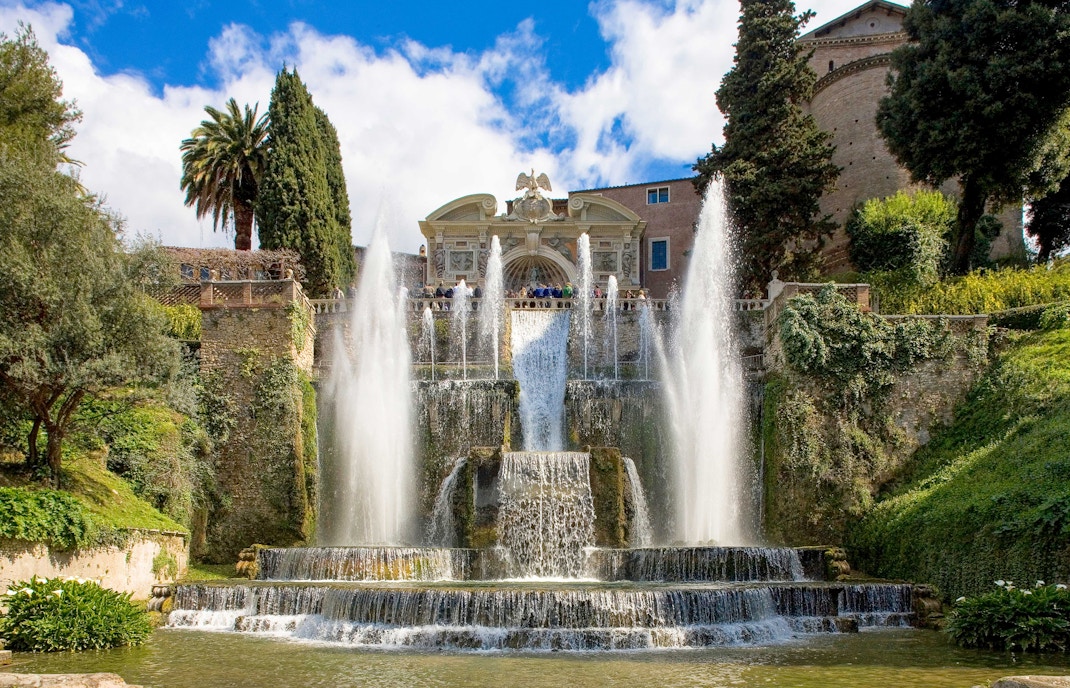
The largest individual fountain structure in the garden, set into a curved hillside at the west end of the main terrace. Water cascades from an upper basin through a series of archways and carved figures. Position yourself on the lower path directly in front of the structure for the best view of the full composition.
A miniature representation of ancient Rome built into the east end of the Viale delle Cento Fontane. It includes a model of the Colosseum, the Tiber rendered as a reclining figure, and the she-wolf with Romulus and Remus. Easy to walk past without stopping. Look for it where the Viale delle Cento Fontane ends on the eastern side of the garden.
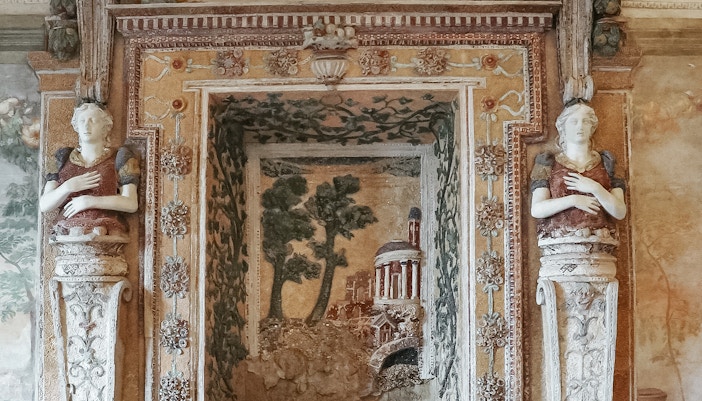
The interior rooms of the villa contain frescoes by Livio Agresti and Girolamo Muziano across several halls, including the Hall of Noah, the Hall of Hercules, and the Hall of Triumph. These are often moved through quickly on the way to the gardens. Budget 30 to 40 minutes for the interior if the Renaissance painting programme is of interest.
⚠️ Re-entry is not permitted once you exit Villa d'Este. The nearest café and restaurant options are on Via Santa Maria Maggiore and Vicolo Santa Croce, both under five minutes from the entrance on Piazza Trento. Plan meals before or after your visit rather than mid-way through.
Most visitors spend 2.5 to 3.5 hours. The main variable is the Organ Fountain schedule: if you arrive between performances, waiting for the next one can add up to two hours to your visit. Visitors who skip the interior and walk the garden quickly can finish in under 2 hours, but the apartments and lower terraces are worth the extra time.
Booking ahead is recommended from April through October, especially on weekends. In July and August, book at least one week ahead. Outside of these months, one to two days ahead is generally sufficient, and walk-up entry is usually possible on weekdays.
Yes, during April through October. The walk-up queue at Piazza Trento can reach 30 to 60 minutes on busy mornings. A pre-booked ticket lets you go directly to the entrance gate without waiting at the ticket office.
Arrive 10 minutes before your slot. The entrance is a single gate on Piazza Trento and security is straightforward, so this is mainly to locate the correct queue and have your booking confirmation ready.
Bags are permitted. Bulky objects are not. There is no cloakroom on site, so leave oversized luggage elsewhere before visiting.
Personal photography is permitted throughout the gardens and apartments. Flash, tripods, and selfie sticks are not allowed. Professional photography or video production requires advance written permission from the site administration.
Yes. Allow 2.5 to 3.5 hours at Villa d'Este first, then take the local shuttle to Hadrian's Villa (5 km, around 15 minutes). Budget 2 to 3 hours at Hadrian's Villa. Start at Villa d'Este at opening time to make the full day comfortable. The combined ticket for both villas is currently not available; book each entry separately.
Partially. A lift connects street level to the upper garden, and ramps are available near the main entrance and in parts of the gardens. A free electric car with a driver is also available on reservation. The lower terraces include steps and uneven stone paths that remain difficult for wheelchair users even with these provisions.
An on-site café provides light refreshments. Picnicking is not permitted in the gardens. Several restaurants are within a 5-minute walk of the entrance: Da Andrea on Via Santa Maria Maggiore (1 minute), Taverna Quintilia on Vicolo Todini (3 minutes), and Trattoria da Gabriella on Vicolo Santa Croce (5 minutes).
Small and medium dogs are permitted on a leash with a muzzle, or in a carrier. A manure collection kit is required. Service animals are welcome throughout the site.
Yes, but only from 2pm. Monday mornings are closed to visitors. The villa is also fully closed on 1 January, 1 May, and 25 December.

Villa d'Este is in the historic center of Tivoli, 30 km east of Rome. The main entrance on Piazza Trento is reached on foot from the train station or local bus stops.
Address: Piazza Trento, 5, 00019 Tivoli RM, Italy
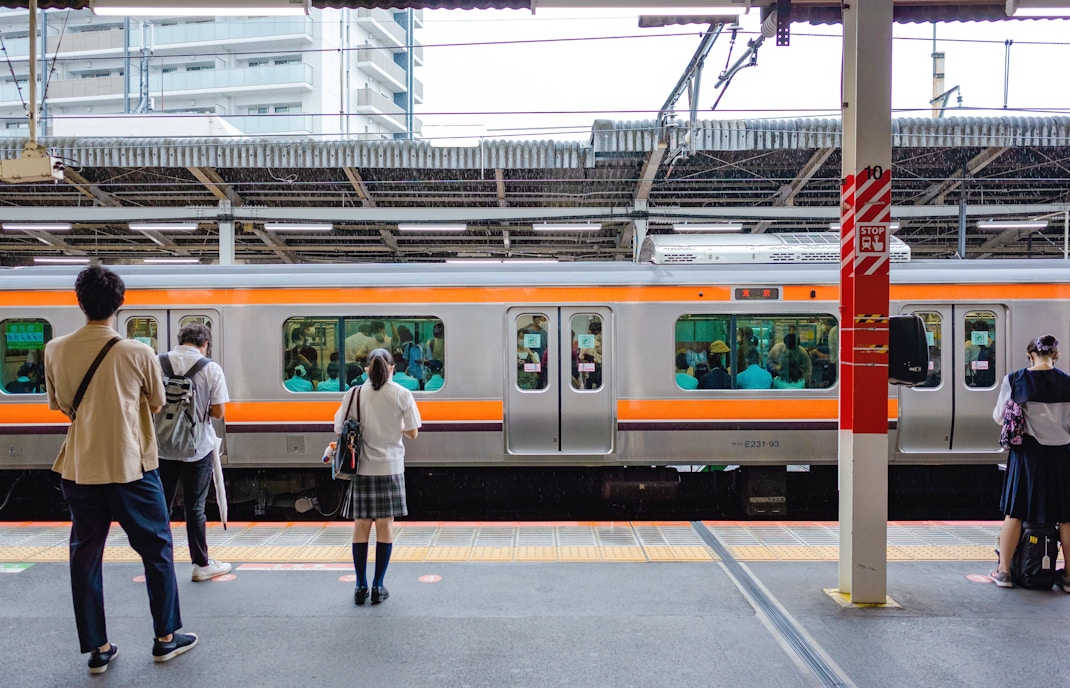
Rome is the most common base for visiting Tivoli. Both Villa d'Este and Hadrian's Villa function as day trips from the city.
From Rome:
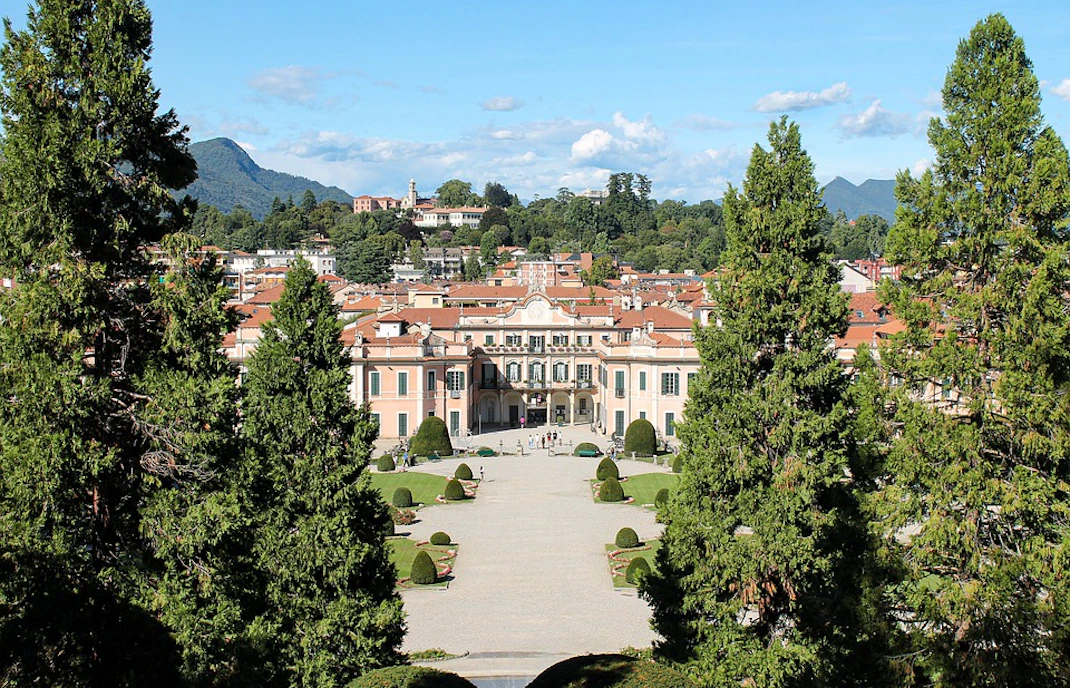
Villa d'Este has a single public entrance on Piazza Trento, next to the Church of Santa Maria Maggiore. All visitors, regardless of ticket type, enter here. Present your ticket or booking confirmation at the gate.
Main entrance: Piazza Trento, 5, 00019 Tivoli RM. The current entrance door dates to 1521, predating Cardinal Ippolito d'Este himself. Historically, visitors entered from the lower gardens and climbed up; today you enter at the top and descend, which shapes the natural flow of the visit.
Opening hours:
Monday opening: From 2pm only [VERIFY — CMS data shows an apparent entry error; almost certainly 2pm, not 2am]. Monday mornings are closed.
Closed on: 1 January, 1 May, and 25 December.
When is it busiest? July and August are the peak months. Coach groups from Rome arrive between 10am and 2pm. Saturdays and Sundays during April through October see the highest individual visitor numbers.
When should you actually go? Arrive at opening (8:15am or 8:45am depending on season) on a Tuesday to Thursday morning in April, May, June, September, or October. This places you in the gardens before coach groups arrive, in better morning light on the upper terraces, and with a clear approach to the Hundred Fountains path.

💡 Download the site map before you arrive. On-site Wi-Fi near the entrance can be too slow to load it once you are inside the gardens.

Note: The historic site includes steep steps and uneven stone terrain on the lower terraces that remain difficult for wheelchair users. Staff at the entrance can advise on the best-adapted route for your visit.

Villa d'Este is suitable for children who can manage 2.5 to 3 hours of walking across stone paths and steps. The fountains and water features hold strong appeal for younger visitors.



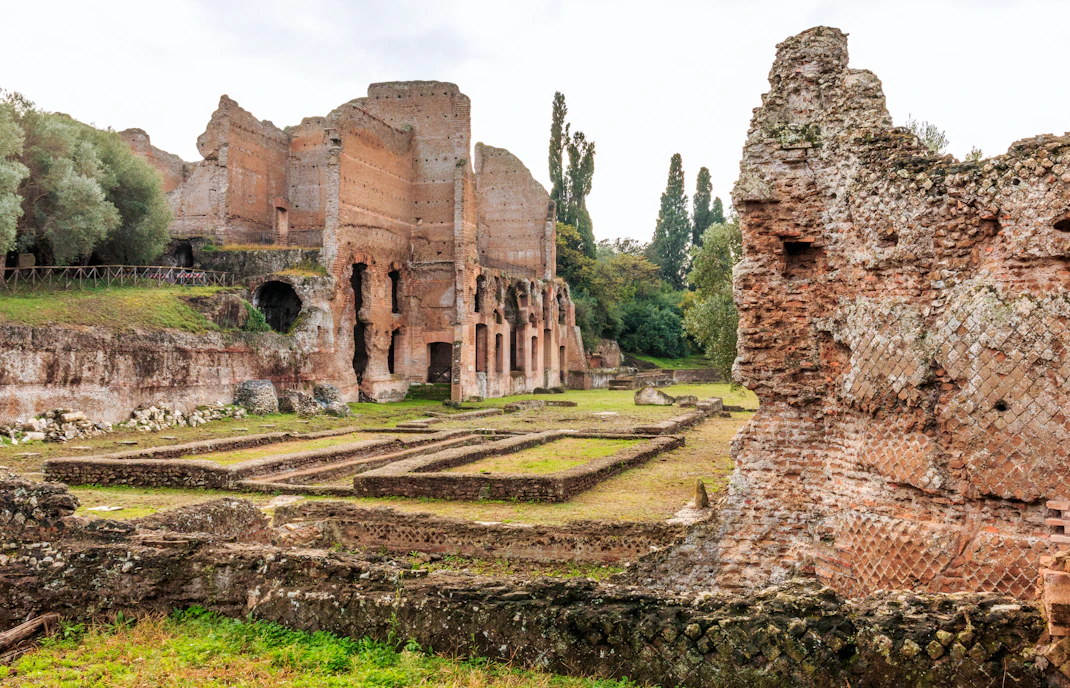
Hadrian's Villa (Villa Adriana)
Distance: 5 km, approximately 15 minutes by local shuttle or taxi.
Why people combine them: Villa d'Este and Hadrian's Villa cover two entirely different eras of Italian history and complement each other well as a single day's visit. Hadrian's Villa is a 2nd-century Roman imperial complex, built by Emperor Hadrian as a self-contained retreat with libraries, theatres, baths, and temples across 120 hectares. It is larger than Pompeii and requires 2 to 3 hours to cover the main areas. A local shuttle service connects the two sites directly.
✨ Villa d'Este and Hadrian's Villa are the natural same-day pairing in Tivoli. Start at Villa d'Este at opening (8:15am or 8:45am), take the shuttle to Hadrian's Villa in the early afternoon, and return to Rome by early evening. The day trip from Rome (tgid 30203) covers round-trip transfers and entry to both sites, handling the logistics if you prefer not to manage train connections and the shuttle independently.
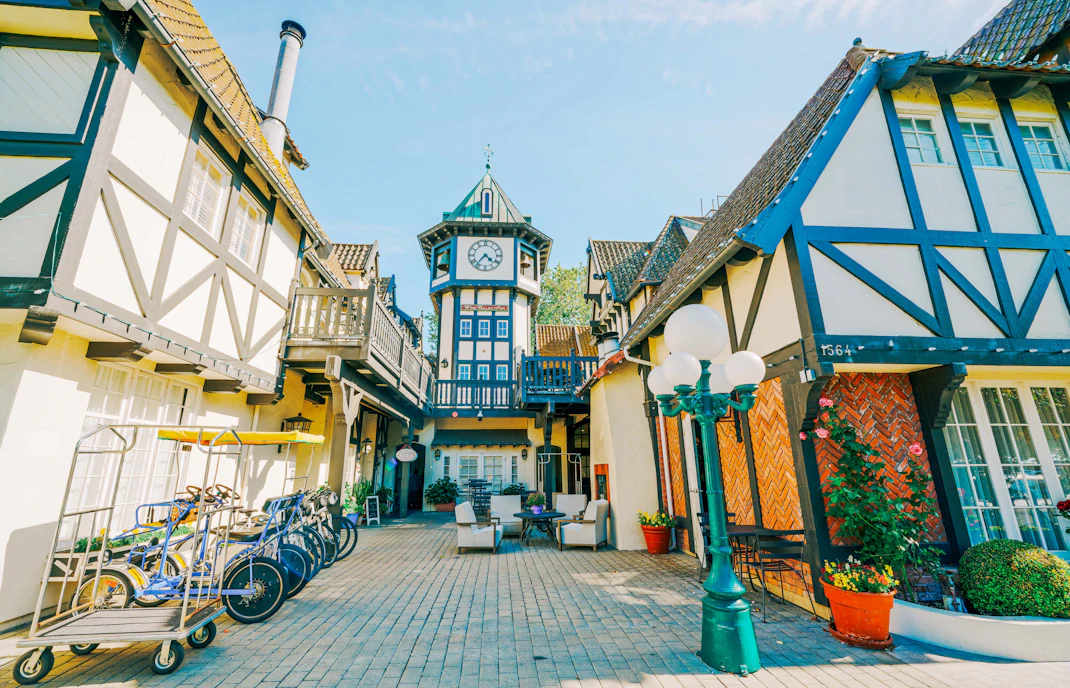
Tivoli town centre
Distance: Under 5 minutes on foot from the entrance gate.
Worth knowing: The medieval hilltop town has restaurants immediately outside the villa entrance and views across the Roman Campagna. Worth 30 to 45 minutes before or after the villa for a walk and a meal.

On-site: An on-site café provides light refreshments. Picnicking is not permitted anywhere in the gardens.
Better options nearby:
💡 Eat before you enter or immediately after. The on-site café is a convenience stop only. Da Andrea is directly on Via Santa Maria Maggiore as you exit the gate.

Two bookshops inside the villa near the entrance sell illustrated guides, maps, postcards, and souvenirs specific to Villa d'Este and its Renaissance garden history. These are the only dedicated retail options on site.
Most visitors reach Villa d'Este as a day trip from Rome (50 to 70 minutes by train). Staying in Tivoli makes sense if you want an early opening-time start at the villa or plan to visit both sites without time pressure.
Consider instead: For stays of two or more nights, Rome itself offers far greater choice in accommodation, dining, and onward connections, with Tivoli easy to reach by train on the day.