Tivoli Tickets

Your journey inside Villa d'Este

Beneath the surface: The breathtaking interiors of Villa d'Este

Don’t be fooled by the symmetrical yet seemingly regular exterior of Villa d’Este. While most people visit for only the gardens, they are pleasantly surprised by the beautiful and lavish interiors. The villa is a magnificent display of Renaissance art and design, divided into two levels with grand halls and rooms, each featuring exquisite frescoes, intricate tapestries, and ornate ceilings. It reflects the luxury and sophistication of Italian nobility. Interestingly, it all began when Cardinal Ippolito II d'Este decided to give the simple monastery he was assigned in Tivoli a dramatic makeover.

Let’s break down the different elements of the incredible Villa d’Este interiors!

Architecture features inside the Villa d’Este

Renaissance elements

The interiors of Villa d’Este are rich in Renaissance and Mannerist architectural styles:

  • The symmetrical designs, harmonious proportions, and meticulous attention to detail form the core of Renaissance ideals - beauty and balance. 
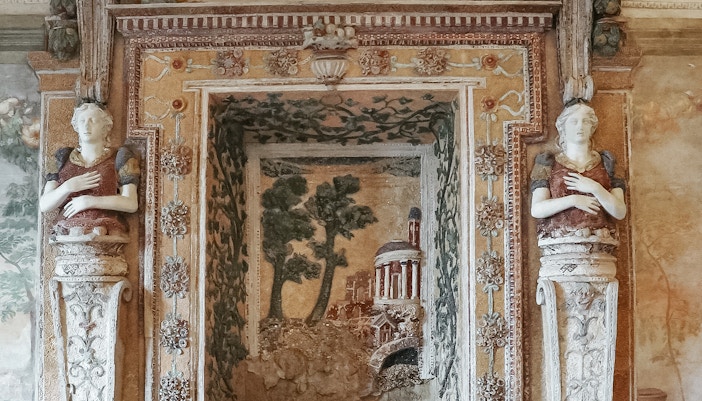
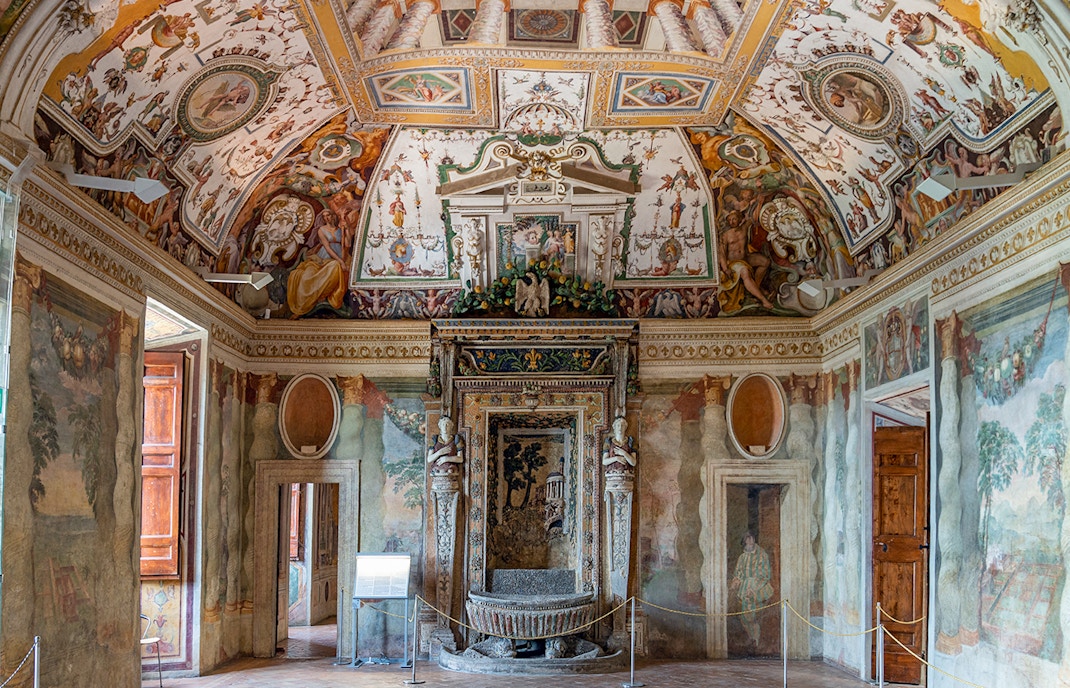
  • The extensive use of classical columns, arches, and pilasters highlights the influence of ancient Roman architecture. Frescoes and elaborate stucco work on the ceilings and walls create a truly luxurious setting. 
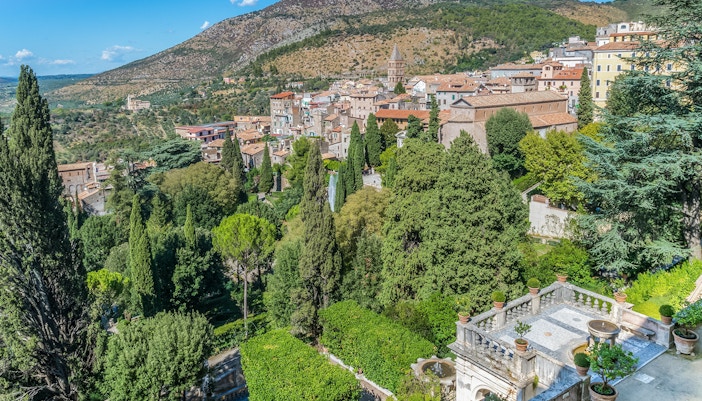
  • Another hallmark is the seamless integration of indoor and outdoor spaces, with large windows and terraces offering breathtaking views of the beautifully landscaped gardens.

Layout & structure 

The villa's layout represents the owner's wealth and taste, with functional spaces for living, entertaining, and enjoying the gardens. It has two main levels:

  • The main entrance leads into a grand atrium, the central hub of the villa. From the atrium, visitors can access various uniquely decorated rooms and chambers.
  • The Cardinal’s Apartments are located on the upper floors for privacy and garden views, including the large salon, antechamber, and the cardinal's bedroom. There's a banquet hall with grand doors for social gatherings. 
  • The lower levels of the villa house practical spaces, including kitchens and storage rooms. The villa's design ensures a natural flow from one room to another, creating a cohesive and immersive experience for visitors.

Notable rooms and areas of Villa d’Este

Placeholder Image Headout Blimp
1/14

The Cardinal's Apartments

The upper level's Cardinal's Apartments were the personal quarters of Cardinal Ippolito II d'Este, featuring grand rooms with exquisite frescoes, intricate tapestries, and ornate coffered ceilings. Though much of the original gold and silver painted leather wall coverings have been lost, the opulence remains evident.

The Salon

The large salon on the ground floor, used for receptions, boasts a vaulted ceiling with frescoes themed around virtue, created by Livio Agresti in 1568. It offers stunning views of the villa's gardens and the surrounding countryside, including Hadrian's Villa ruins.

The Banquet Hall

The Hall of the Stories of Solomon displays scenes from King Solomon's life in painted marble frames. It features a unique fountain and grand doors leading to the gardens.

The Antechamber

The antechamber, leading from the salon to the Cardinal's Bedroom, is decorated with personifications of virtue, symbolizing the Cardinal's power and influence.

The Cardinal's Bedroom

Constructed in 1576, the Cardinal's Bedroom features a coffered wood ceiling gilded and painted with the Este crest, an eagle, a bishop's hat, and the Este family motto. Feminine figures representing various virtues decorate the corners of the room. The bedroom is connected to a small library and a private chapel with frescoes blending classical and Christian symbolism.

Hall of Noah

The hall is covered in frescoes, the highlight of which is the scene of Noah arriving with his ark on Mount Ararat and making the pivotal agreement with God.

Hall of Moses

This hall centers on Moses's life. The highlight is colorful frescoes, including the legendary scene of him bringing water to the people of Israel by striking a rock.

Hall of Venus

The hall of Venus has terracotta floors, statues of Religion and Peace, and a ceiling image of Venus accepting flowers from angels.

Hall of Fountain

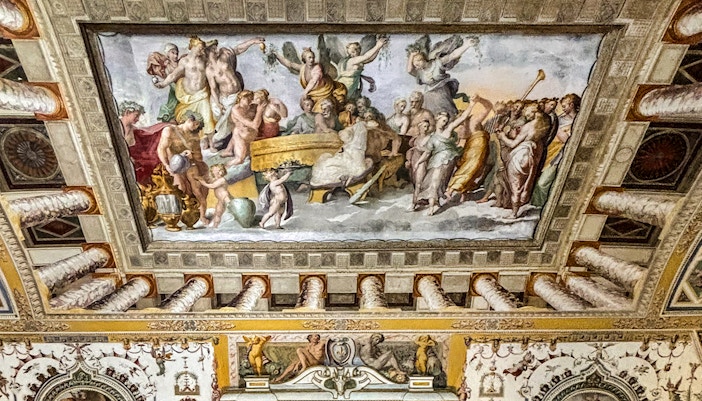
The spacious room boasts of a beautiful mosaic fountain and an intriguing fresco showcasing a banquet of Gods, including Jupiter and the gods and goddesses of Olympus on the ceiling.

Hall of Hercules

This room is dedicated to the heroism of Hercules, which is depicted through Girolamo Muziano’s paintings of his eight labors and his grand entrance into Mount Olympus.

Hall of Nobility

Artist Federico Zuccari’s painting ‘Nobility on the throne between Liberality and Generosity’ graces the ceiling. Moreover, classical philosophers like Plato, Socrates, and Pythagoras are honored with paintings on the walls.

Hall of Glory

Replete with Late Renaissance paintings, this room was decorated with allegorical depictions of the Four Seasons, Magnanimity, Religion, and the Allegory of Glory, which has since been lost.

Hall of Hunt

True to its name, the hall of hunt showcases images of rural landscapes, hunting scenes, hunting trophies, etc., and was completed in the late 16th and early 17th Century.

Tiburtine Halls

The First Tiburtine Hall is decorated with stories of the Greek brothers who founded the city of Tibur (now Tivoli). The Second Tiburtine Hall is inspired by the folklore of the Tiburtine region.

Villa d’Este decor

The villa's interior sees a smooth transition of Ancient Roman motifs into traditional Christian symbols. The whole decor is made up of various elements and styles, each crafted by renowned artists of the time.

Frescoes and paintings

The exquisite frescoes and paintings are a major highlight of Villa d'Este. Designed by prominent artists, these artworks adorn the ceilings and walls of many rooms. The themes range from mythological scenes and biblical stories to representations of the four seasons and virtues. From hunting scenes in the Hall of the Hunt to the nine muses of Greek mythology in the Hall of the Muses - it's as if every room is a page of Este's grand storybook.

Sculptures and statues

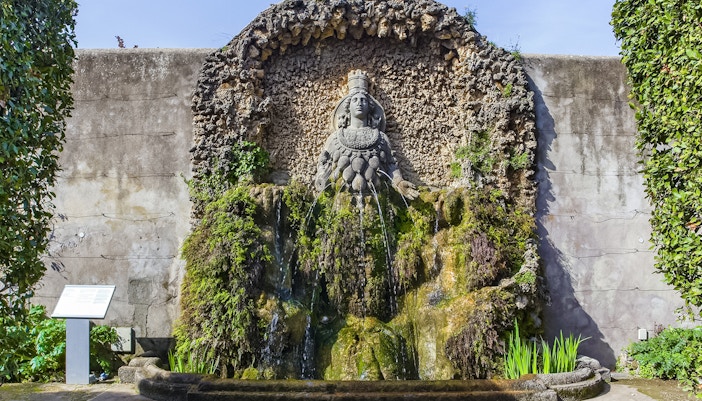
Even though most statues at Villa d'Este have succumbed to time, their contribution to the interiors' grandeur is evident. These pieces are symbols of power, piety, and cultural refinement. Highlights include the statue of Hercules in the courtyard, the striking sleeping Venus in the Venus Fountain by Raffaelo Sangallo, and marble busts of Roman emperors adorning various rooms and corridors, emphasizing the villa's connection to classical antiquity.

Tapestries and wall coverings

Originally, Villa d'Este was covered with rich tapestries and wall coverings depicting historical events and allegorical tales in bright colors. Despite restoration efforts, many have deteriorated over time, leaving blank walls where the original decor once stood. For example, the Cardinal's bedroom showcased painted leather tapestries of feminine virtues, now mostly lost. Some rooms display modern artwork to illustrate what the original pieces might have looked like.

Historical restoration and preservation of Villa d'Este's interiors

Restoration efforts

Villa d'Este has seen numerous restoration efforts over the centuries to maintain its stunning interiors. Key restoration milestones include:

  • Mid-19th Century: Cardinal Gustav von Hohenlohe leased the villa and initiated the first major restoration of both the dilapidated villa and the overgrown gardens.
  • Post-World War I: The Italian State acquired the villa and undertook a comprehensive restoration, refurbishing it with paintings from the Galleria Nazionale in Rome.
  • Recent Decade: In the last 10 years, a focused renovation policy has led to significant restorations of 5,000 m² of the palace’s structures and decorations, managed by the Soprintendenza.
  • Ongoing Since 1997: The Central Restoration Institute in Rome has conducted a specific multidisciplinary study to perfect restoration methods for the villa's fountains.

These efforts have been crucial in preserving Villa d'Este’s renowned Renaissance and Mannerist interiors.

Current preservation challenges

Despite extensive restoration efforts, Villa d'Este still grapples with challenges in preserving its interiors. Factors like fluctuating micro-climates and bomb damage from World War II contribute to rapid deterioration. Neglect during periods of financial strain also took a toll, leading to the removal of furnishings and sale of antique sculptures.

Current preservation strategies prioritize rigorous restoration, water purification systems, and enhanced technical amenities to safeguard the villa's magnificent interiors for future generations.

Understanding the fascinating history of Villa d'Este

Frequently asked questions about Villa d'Este interiors

Villa d'Este's interiors exhibits several key Renaissance architectural features:

  • Spacious halls and rooms adorned with ornate ceilings, elaborate frescoes, and intricate tapestries, exhibiting the opulence of Renaissance design.
  • Arched doorways and windows reflecting the classical influences of Renaissance architecture.
  • Decorative columns and pilasters embellished with sculptural details, adding to the villa's architectural splendor and providing structural support.
  • Vaulted ceilings with intricate patterns and decorative motifs characteristic of Renaissance architecture.

More reads

Gardens

Book Now

Plan your visit

Book Now

Timings

Book Now